
![detailingshop-header-pic1[1]](https://nimbuswhip.com/wp-content/uploads/2026/02/detailingshop-header-pic11.svg#627)
![detailingshop-header-pic2[1]](https://nimbuswhip.com/wp-content/uploads/2026/02/detailingshop-header-pic21.svg#628)
![detailingshop-header-pic3[1]](https://nimbuswhip.com/wp-content/uploads/2026/02/detailingshop-header-pic31-1.svg#813)


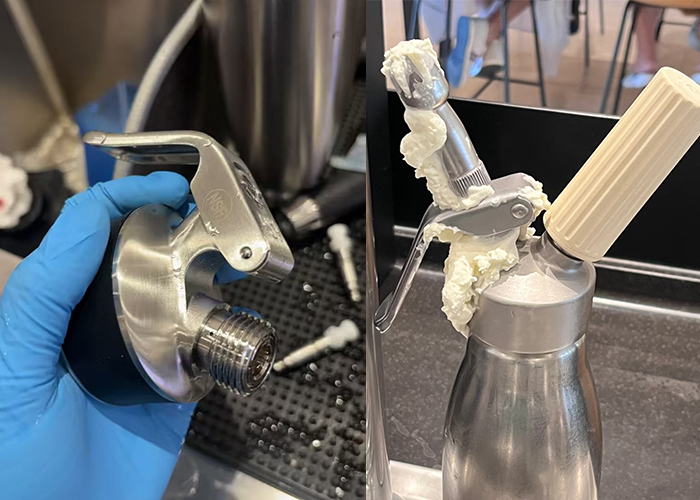
A stuck water dispenser can disrupt your daily routine. This common appliance problem often stems from a few specific causes. Understanding them is the first step toward a solution.
Many homeowners rely on their water cooler for hydration. When it malfunctions, frustration is natural. A systematic approach can save you time and money on repair costs.
Issues like a faulty bottle seal are frequent culprits. A 2021 video by Distillata Water highlights this common leak source. Whether you have a refrigerator with a dispenser or a standalone unit, the principles are similar.
Proper troubleshooting involves checking air flow and power connections. Our guide provides clear steps to diagnose problems. You can often fix these issues yourself before needing expert service.
Consistent access to clean, chilled water is essential. Keeping your appliance in good working order ensures this basic need is met.
Key Takeaways
- A jammed dispenser valve is a common but solvable problem.
- Frequent causes include mineral buildup and faulty seals.
- Systematic troubleshooting can prevent costly repairs.
- Both refrigerator dispensers and standalone coolers experience similar issues.
- Professional guidance, like the Distillata Water video, can be very helpful.
- Always check for simple fixes like power or air lock problems first.
- Our website uses cookies to enhance your experience while respecting your privacy.
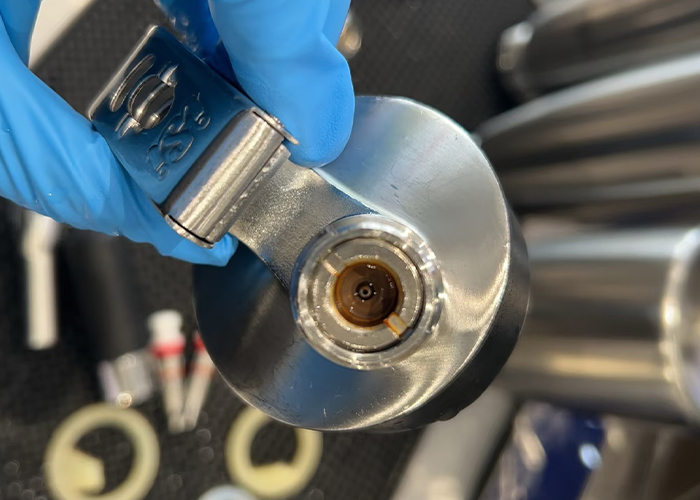
Understanding the Common Causes of a Jammed Dispenser Valve
A non-functioning valve often results from mechanical wear or installation errors. Pinpointing the exact cause is the first step in any effective troubleshooting guide.
Mechanical Failures and Wear
Internal components degrade with regular use. The seal inside the unit can wear out over time, leading to persistent leaks.
This type of failure usually requires a professional fix. If your water cooler isn’t chilling properly, a simple adjustment might help.
You can often make the water colder by turning the thermostat screw clockwise, similar to moving a clock hand one hour forward.
Improper Installation and Environmental Factors
Many problems stem from how the appliance is set up. An incorrectly placed bottle can create an air lock, blocking the water supply.
Always check the back of the unit for a kinked line if you experience leaking water. Ensure your home connection is secure.
Every model has specific power needs. Verify the outlet is working. A frozen reservoir can also stop flow.
Let the cooler defrost for several minutes before you try again. These simple steps can prevent major damage to your floor or refrigerator.
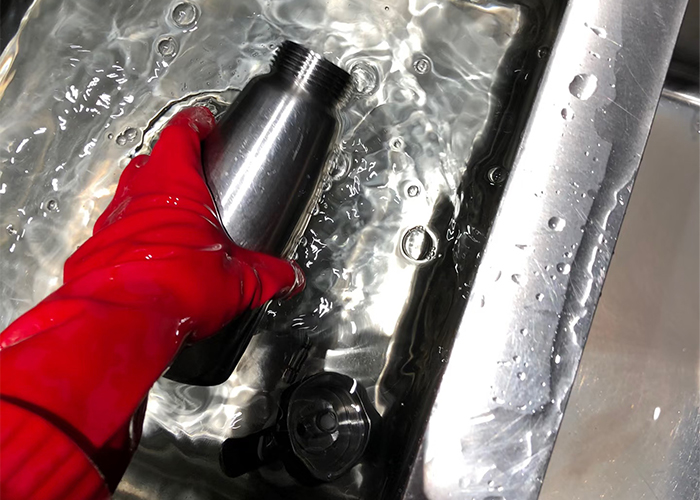
Step-by-Step Troubleshooting for a Jammed Dispenser Valve
When your water cooler stops dispensing, a methodical approach can quickly identify the issue. This guide provides clear steps to restore flow and avoid unnecessary repair costs.
Initial Inspection and Diagnosis
Start with a visual check. Ensure the appliance is plugged in and has power. Look at the bottle seal for any cracks or damage.
A faulty seal often causes a water dispenser leaking. Inspect the reservoir inside the unit. If it’s full, you may need to remove water.
Hold down the spigot for several minutes to drain it. This simple step can solve many problems.
Basic Troubleshooting and Quick Fixes
An air lock is a common blockage. Remove the bottle and press the tap firmly. This releases trapped air to restore your clean water supply.
Check the back of the cooler for kinked lines or dust. A leaking water filter requires immediate action. Turn off the water supply valve at its connection point.
If these troubleshooting attempts don’t fix the problem, contact an expert. For professional service, you can reach Thirsty Work at 01392 877 172.
Why My Dispenser Valve Keeps Getting Jammed
A blocked water flow from your cooler often points to internal buildup. Two main areas need your attention: finding the blockage and performing proper cleaning.
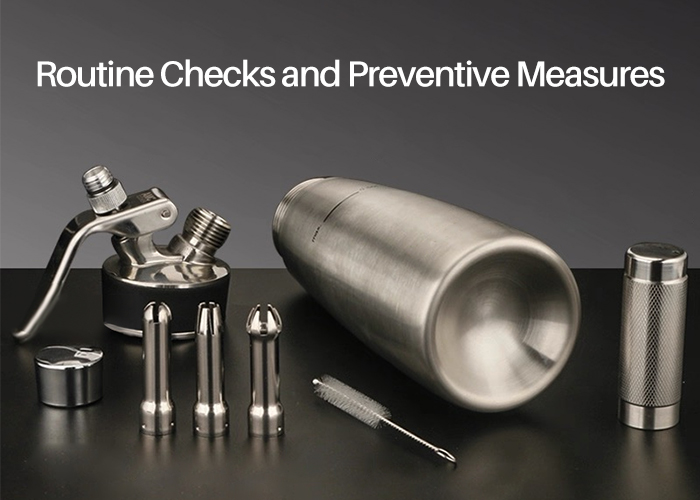
Identifying Valve Obstructions and Build-Up
Mineral scale is a frequent culprit. It hardens inside the valve and lines over time.
This build-up restricts flow and can cause a leak. Spotting these obstructions is a key part of any troubleshooting guide.
It helps you fix the problems yourself.
| Obstruction Type | Common Signs | Recommended Action |
|---|---|---|
| Mineral Scale | Slow flow, white deposits | Remove water and clean the reservoir |
| Air Lock | Spitting spigot, no flow | Reseat the bottle and press the tap |
| Faulty Seal | Leaking water at the connection | Inspect and replace the seal |
| Clogged Filter | Bad taste, reduced pressure | Change the filter as scheduled |
Maintenance and Cleaning Techniques
For a deep clean, remove water and scrub the tank. Allow 30 to 45 minutes for this task.
If your refrigerator dispenser isn’t heating, check the red switch on the back. Ensure it’s turned on.
Prevent air pockets by seating the bottle correctly. This maintains pressure in your home appliance.
Regular cleaning stops bacteria growth. It keeps your water safe.
If the unit stays stuck, verify the power supply. These steps address most water dispenser issues.
Best Practices for Preventing Valve Malfunctions
Regular maintenance habits can prevent most valve issues before they start. A consistent routine ensures your water dispenser operates reliably for years.
This approach saves time and avoids the frustration of sudden breakdowns.
Regular Maintenance and Inspection
Keep at least 10cm of clearance behind the cooler unit. This allows proper airflow and prevents overheating.
Replace the water filter every six months. This maintains clean water quality and stops clogs.
Clean the entire appliance every 6 to 8 weeks. This prevents mineral build-up and ensures hygiene.
Inspect the bottle seal regularly for cracks. A damaged seal is a common cause of leaking water.
Proper Usage and Handling Guidelines
Always remove water from the reservoir before moving the unit. This prevents spills and internal damage.
Check the water supply line for kinks or wear. Secure connections prevent leaks.
If you experience a persistent problem, consult an expert. A technician can inspect the power supply and internal components.
Proper use extends the life of your refrigerator or standalone water cooler. These simple steps provide peace of mind.
Product Spotlight: NimbusWhip Solutions
High-quality components can significantly reduce maintenance headaches. For owners of a water dispenser or refrigerator unit, reliable accessories are key. NimbusWhip provides specialized tools designed for peak performance.
These products help maintain consistent water flow and pressure. They are compatible with many kitchen appliance models. Investing in the right parts prevents common issues.
Overview of Product Options
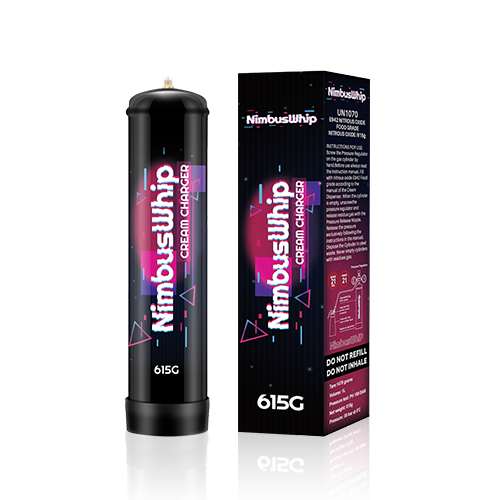
The 1L 615G charger is perfect for home use. It supports a standard bottle and ensures efficient operation. Find details at NimbusWhip’s product page.
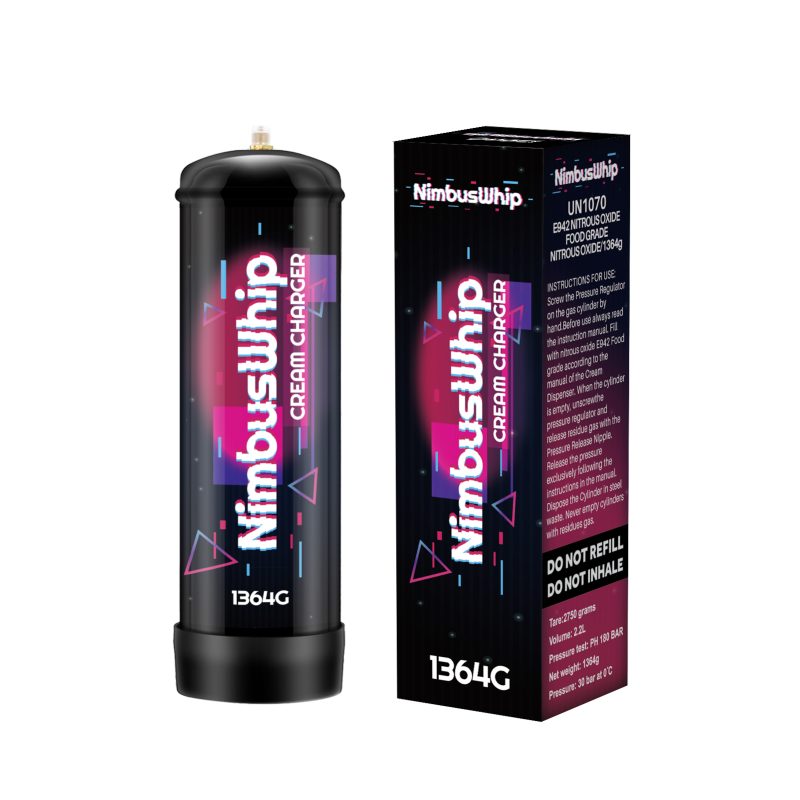
For larger needs, the 2.2L 1364g unit offers greater capacity. It delivers steady power for busy settings. This model is listed on their website.
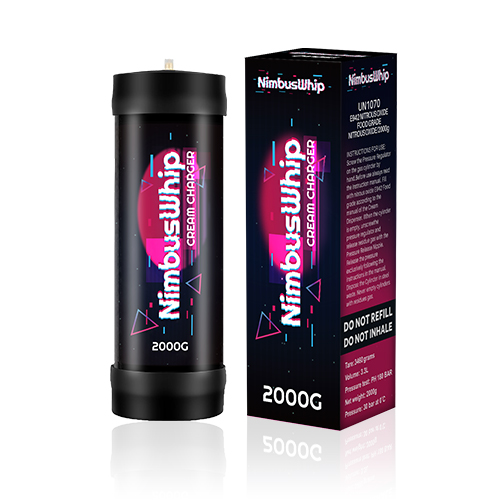
The professional-grade 3.3L 2kg food-grade charger is ideal for commercial kitchens. It provides excellent value and durability. Explore it here.
Wholesale Benefits and Purchasing Details
Businesses can benefit from wholesale purchasing. Visit NimbusWhip’s wholesale portal for bulk access. This ensures a reliable supply of essential parts.
The main website showcases the full product range. You can find items like a replacement filter or valve component. These tools keep your cooler or dispenser running smoothly.
NimbusWhip values your privacy. The site may use cookies to enhance your browsing experience. This practice helps personalize service while securing your data.
Conclusion
A well-functioning water system is essential for daily hydration and convenience in any setting. Addressing a malfunctioning appliance is a manageable task. Systematic troubleshooting can save you significant time and money on professional repair service.
Regularly inspect your water dispenser for any sign of a leak. Ensure the bottle is seated correctly on the unit. These simple checks prevent most common issues.
Remember to replace the water filter every six months. Keep the air vents clear to maintain your refrigerator or water cooler efficiency. Consistent care is the best strategy.
If you face a complex problem, contact an expert technician. This avoids damage to the power supply or other components. Proper maintenance ensures a reliable supply of clean, chilled water.
We hope this guide empowers you to keep your dispenser in perfect working order for your home or office.
