
![detailingshop-header-pic1[1]](https://nimbuswhip.com/wp-content/uploads/2026/02/detailingshop-header-pic11.svg#627)
![detailingshop-header-pic2[1]](https://nimbuswhip.com/wp-content/uploads/2026/02/detailingshop-header-pic21.svg#628)
![detailingshop-header-pic3[1]](https://nimbuswhip.com/wp-content/uploads/2026/02/detailingshop-header-pic31-1.svg#813)

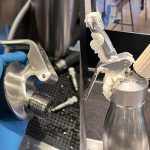

Nothing halts dessert preparation faster than a whipped cream canister that refuses to work. You hear the click, but the gas doesn’t seem to flow. This common kitchen issue creates frustration when you’re ready to serve.
Industry standards show most charger problems stem from fixable causes. A missed setup step or a worn gasket is often the culprit. Understanding the interaction between the cartridge and your dispenser is the first step toward a reliable fix.
This professional guide walks you through essential checks. We cover alignment, pressure, and component inspection. Our goal is to restore proper whipping action so your cream flows perfectly every time.
Key Takeaways
- Most charger failures are due to simple, correctable mistakes.
- Always verify your dispenser is properly assembled before use.
- Inspect the sealing gasket for wear or damage regularly.
- Ensure the nozzle and head are aligned correctly with the charger.
- Internal pressure issues can prevent gas from fully emptying.
- Basic troubleshooting can resolve the majority of whipping problems.
- Regular maintenance keeps your equipment functioning like new.
Introduction to Charger Functionality and Common Issues
Understanding how your dispenser works can prevent most common foaming issues. A firm grasp of the basic mechanics turns frustrating failures into simple fixes.
About NimbusWhip and Its Cream Charger Solutions
NimbusWhip provides high-quality cream charger solutions for culinary enthusiasts and baristas. Their products, available at nimbuswhip.com, meet rigorous demands for consistent performance.
Overview of Whipped Cream Dispensers and Gas Mechanics
The process relies on N2O gas dissolving into cream. This interaction creates the tiny bubbles that form stable foam.
Jason Logsdon, author of Modernist Cooking Made Easy: The Whipping Siphon, notes that foam density issues are common for home cooks.
Hearing gas escape during charging often signals a poor seal. This is one of the most frequent problems users face.
Internal pressure must build correctly to force cream through the nozzle. Checking head alignment and the gasket ensures smooth whipping action.
Mastering these basics keeps your equipment in top condition for perfect results.
Troubleshooting: What to Do If the Charger Doesn’t Fully Empty Into the Dispenser
When your dessert topping falls flat, a methodical inspection can pinpoint the cause. Begin by ensuring all pressure is safely released from the unit. This is a critical safety step before any hands-on checks.
Step-by-Step Charger Inspection Process
Start with the piercing pin. Make sure it’s clear of old cream or debris. A blocked pin stops gas flow instantly.
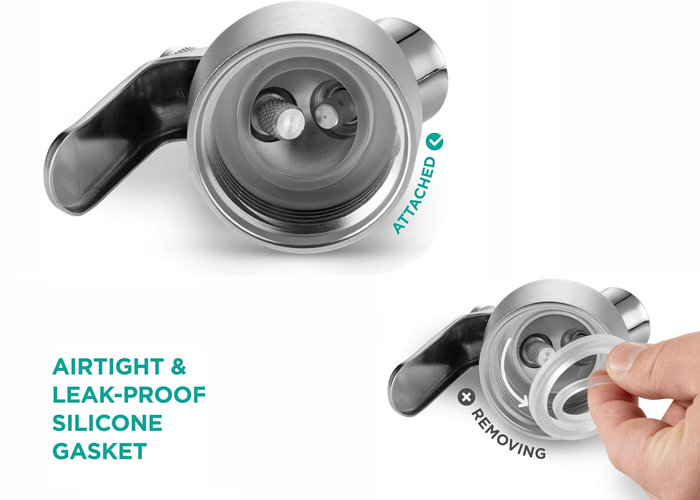
Next, examine the rubber gasket. Look for cracks or flattening that break the seal. A damaged gasket is a common cream charger issue.
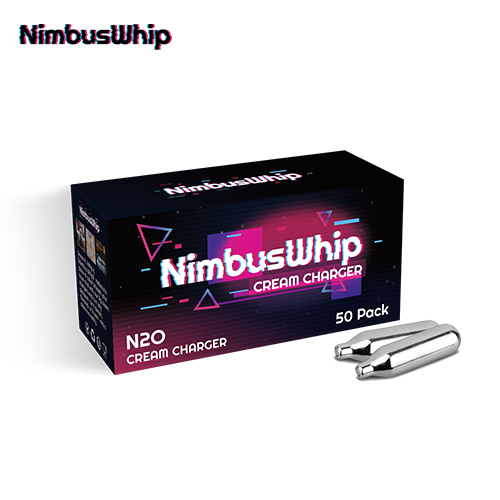
Always verify your charger size. The 8g N2O format is the standard for most equipment.
| Step | Primary Action | Key Check |
|---|---|---|
| 1 | Release Pressure | Ensure dispenser is empty per safety rules. |
| 2 | Inspect Piercing Pin | Remove any dried cream or debris blockage. |
| 3 | Check Sealing Gasket | Verify no wear, cracks, or flattening. |
| 4 | Confirm Charger Size | Use standard 8g N2O charger for compatibility. |
Identifying Gas Flow, Pressure, and Potential Leaks
Listen closely during charging. If you hear gas escaping, a leak is likely. Test pressure by attempting to dispense a small amount.
No foam output indicates low pressure. Try a different charger from your pack to rule out a defective cartridge.
Pressurized cylinders should never be used if a leak is suspected at the valve or seal.
For a 1L whipped cream dispenser, you may need two chargers. This achieves correct pressure for perfect whipping.
Clean threads on your stainless steel equipment before screwing in the holder. This prevents mechanical problems.
Diagnosing Common Dispenser Problems
Dried cream acts like an adhesive, locking parts together and clogging passages. This residue creates most routine malfunctions.
Two specific issues cause the majority of flow failures. Identifying them quickly saves time and frustration.
Clogged Nozzles and Residue Build-Up
A blocked nozzle stops your dessert topping instantly. Soak the tip in warm water for five to ten minutes.
This dissolves dried cream inside. Always use cream with at least 35% fat content.
Lower fat products lack the stability for good foam. They leave more residue, causing future clogs.
Stuck Dispenser Heads and Misaligned Gaskets
Releasing all pressure is the first step. Dried cream can glue the head to the dispenser threads.
If it remains stuck, run warm water over the joint for half a minute. This softens residue without harm.
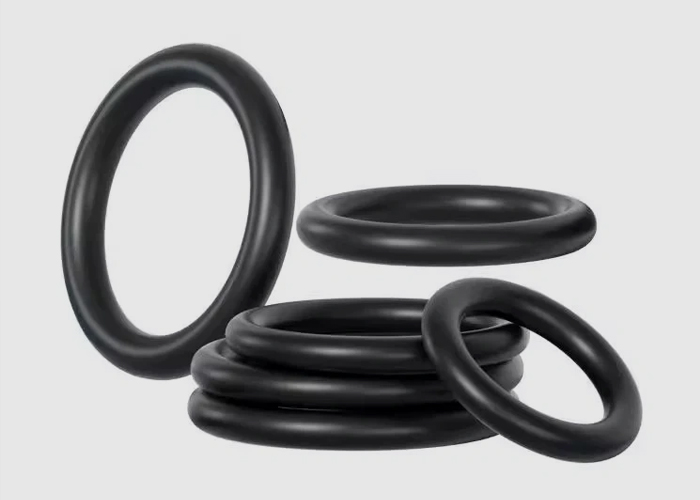
Check the rubber gasket sits perfectly in its groove. A misaligned seal is a common source of slow leaks.
Never use metal tools on your equipment. They can scratch surfaces and damage delicate parts.
| Problem | Primary Cause | Quick Fix |
|---|---|---|
| Clogged Nozzle | Dried cream residue buildup. | Soak in warm water for 5-10 minutes. |
| Stuck Head / Leak | Residue on threads or misaligned gasket. | Release pressure, apply warm water, realign rubber seal. |
Regular cleaning after each use prevents these common issues.
Maintenance Tips and Preventative Measures
Your whipping siphon’s longevity depends on simple, habitual care steps. Consistent upkeep prevents most common problems before they start. It ensures your whipped cream is perfect every time.
Follow these tips to keep your equipment in top shape. They extend the life of your dispenser significantly.
Proper Cleaning Techniques After Each Use
Always clear the tube after use. Hold the dispenser upside down and press the lever. This removes leftover cream.
Hand-wash the head and nozzle with warm water and mild soap. Dishwashers can warp plastic replacement parts and damage the gasket.
Inspect the rubber gasket every few months. Look for cracks or flattening. Replacing this small part prevents a mid-use gas leak.
Storing Chargers in Cool, Dry Environments
Keep your N2O charger products in a cool, dry place. Heat and moisture degrade seal integrity over time.
Avoid storing charged cream overnight. The foam quality diminishes if not used within a day.
For multiple charges, shake the bottle between each charger. This ensures proper whipping action.
When to Replace Gaskets and Component Parts
Even with perfect care, the rubber and metal components in your dispenser will degrade over time. Recognizing the signs of wear prevents sudden failures during use.
Proactive replacement of key parts ensures your whipped cream dispenser operates safely and efficiently.
Signs of Wear and Tear in Dispenser Equipment
Physical damage is often visible. A head that’s consistently hard to unscrew suggests worn threads.
A gasket that leaks after cleaning has lost its rubber elasticity. A cracked or warped nozzle tip is a safety hazard.
Functional issues signal internal problems. If the dispenser fails to build pressure, the internal valve may be faulty.
A corroded or dull piercing pin won’t open a cream charger correctly. This leads to incomplete gas release and poor foam.
| Sign of Wear | Likely Cause | Recommended Action |
|---|---|---|
| Persistent gas leak | Worn or hardened sealing gasket | Replace the gasket immediately. |
| Head will not screw on smoothly | Stripped or damaged threads on head or body | Replace the affected assembly. |
| No pressure buildup | Failed internal valve or seal | Replace the entire head unit for safety. |
| Charger not pierced | Dull or corroded piercing pin | Replace the head containing the pin. |
Always source replacement parts from reputable suppliers. This guarantees food-grade materials and proper fit for your equipment model.
Using non-compliant or damaged parts can compromise the pressure vessel’s integrity.
Keeping a kit of common replacement parts on hand minimizes downtime. It lets you fix issues quickly during busy service times.
Additional Resources and Product Information
Beyond troubleshooting, knowing where to find quality products ensures long-term performance. This section provides essential sourcing details and critical safety protocols for your whipped cream dispenser operation.
NimbusWhip Wholesale Options and Product Range
NimbusWhip offers a reliable product line for every need. Their cream chargers come in multiple sizes for different batch volumes.
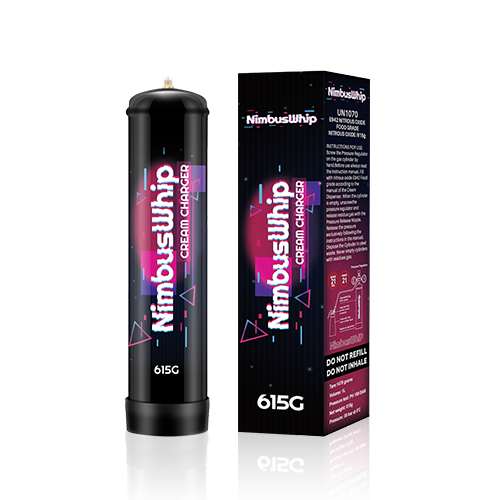
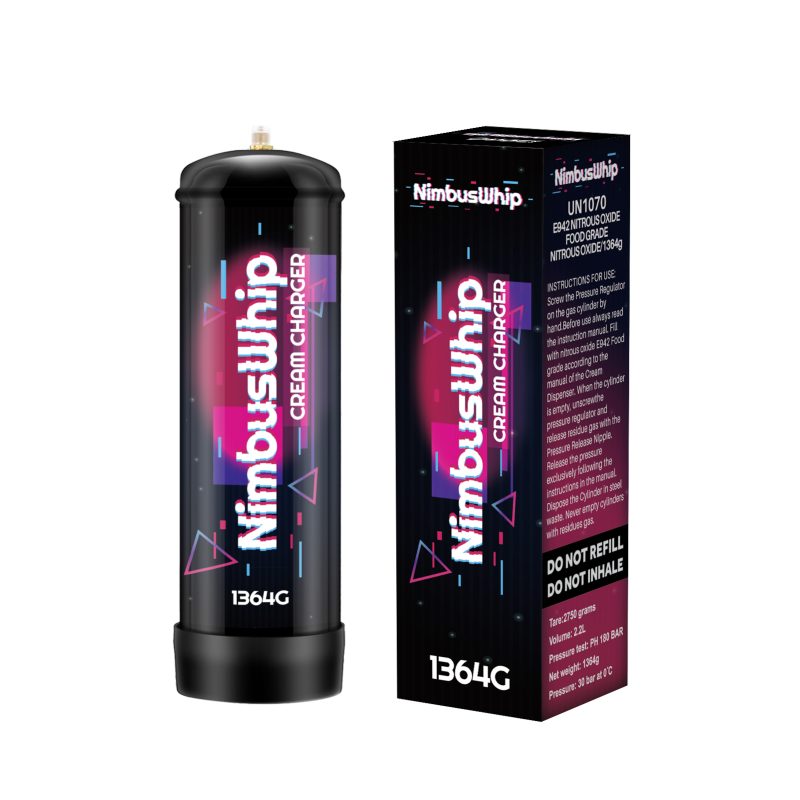
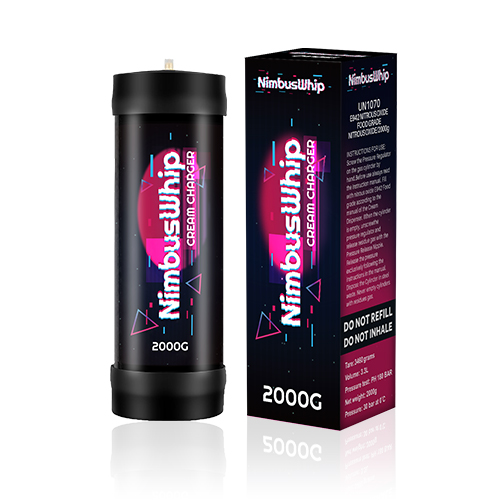
The 1L 615G canister suits home kitchens perfectly. The larger 2.2L 1364g model handles bigger events. For commercial use, the 3.3L 2kg option provides maximum capacity.
Explore all models on the official NimbusWhip website. Businesses can access bulk pricing through their dedicated wholesale portal.
Using certified equipment from a trusted supplier prevents many common problems. It guarantees food-grade stainless steel and proper gas compatibility.
Safety Guidelines and Best Practices for Handling N2O Chargers
Safety must never be an afterthought. The tragic case involving Rebecca Burger highlights the risks of faulty equipment.
Always point the dispenser away from your face during gas release. The charger becomes extremely cold and can cause injury.
Inspect each cream charger before use. Contact customer support immediately if you detect a batch issue.
Follow the manufacturer’s guidelines for handling pressurized gas. This prevents damage to your dispenser and ensures personal safety.
Proper care extends to replacement parts. Only install genuine gaskets and nozzle components designed for your model.
Adhering to these tips lets you enjoy perfect foam and whipping results with complete confidence.
Conclusion
Mastering your whipping tool transforms occasional frustration into reliable performance. You can now create perfect whipped cream consistently.
This guide provides the knowledge to troubleshoot common problems. You can address a charger issue or a clogged nozzle with confidence.
Regular maintenance is your best defense. Simple cleaning and gasket checks keep your dispenser running smoothly.
If your cream isn’t forming foam, check its temperature and fat content first. Always use high-quality products and handle gas safely.
With these practices, your culinary creations will feature stable, professional foams every time.
