




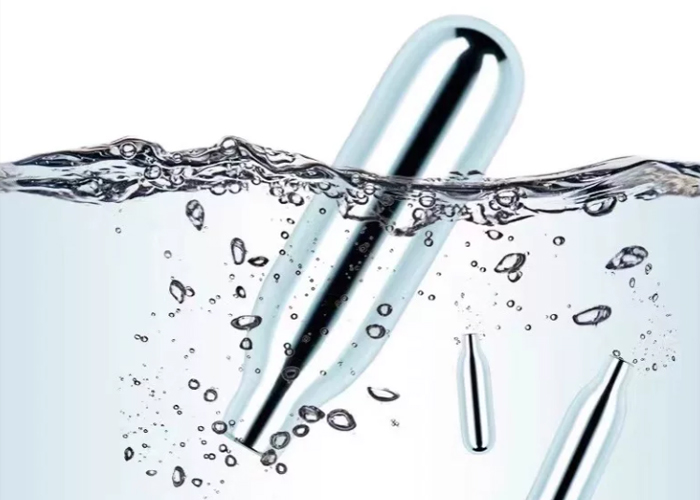
Many kitchen enthusiasts wonder about swapping gas cartridges for their dispensers. This article addresses a common question regarding cream and soda chargers. Understanding the differences is crucial for both safety and performance.
Gas types are not interchangeable. Using the wrong one risks equipment damage and poor results. Proper selection ensures perfect whipped cream every time.
This guide explains why mixing chargers is a bad idea. It highlights key distinctions between nitrous oxide and carbon dioxide cartridges. Following these insights helps maintain your tools effectively.
Key Takeaways
- Gas cartridges are not interchangeable; each serves a specific purpose.
- Using incorrect chargers can lead to equipment failure or safety hazards.
- Nitrous oxide is designed for whipping cream, while carbon dioxide is for carbonating beverages.
- Proper charger selection ensures optimal performance and recipe success.
- Always follow manufacturer guidelines to maintain your dispenser’s longevity.
- Mixing chargers may result in unsatisfactory culinary outcomes.
- Understanding these differences is essential for both home and professional kitchens.
Understanding Cream Chargers and Their Applications
The science behind fluffy desserts often involves precise gas delivery systems known as cream chargers. These small metal cartridges are essential tools in modern food preparation. Allen, a factory owner in China, confirms their vital role in aerating double cream to create perfect whipped cream.
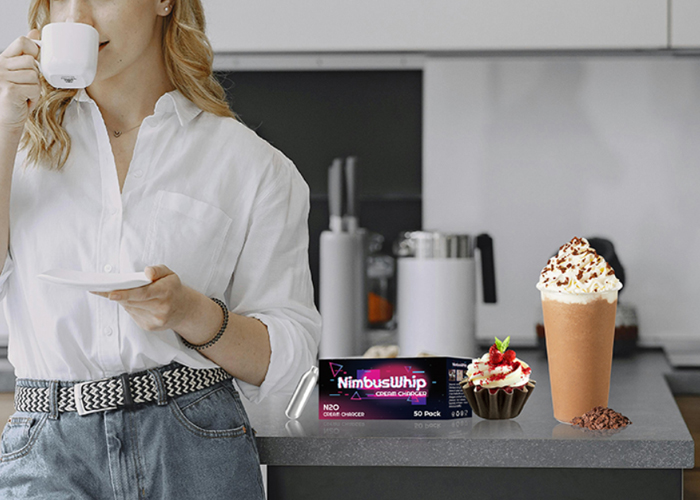
How Cream Chargers Work
A cream charger is a sealed cartridge filled with nitrous oxide gas. When pierced inside a whipped cream dispenser, the gas dissolves into the liquid cream. This process creates millions of tiny bubbles, resulting in a light and stable foam.
The nitrous oxide provides the necessary aeration without affecting flavor. Proper use ensures consistent results every time. This reliability makes the tool indispensable for both home and professional kitchens.
Culinary Uses of Nitrous Oxide in Whip Cream
In culinary applications, this gas is specifically chosen for whipping cream. Chefs rely on it to produce high-quality toppings for desserts, mousses, and other creations.
The stable foam structure allows for intricate plating and lasting texture. From simple whip cream dollops to complex pastry elements, nitrous oxide delivers the required performance. Its use is a standard practice for achieving professional results in food service.
Exploring Soda Chargers and Their Functionality
Behind every glass of homemade sparkling water is a small, pressurized cartridge filled with carbon dioxide. These specialized soda chargers are engineered for a single, precise task: adding fizz to beverages.
They represent a distinct category of gas cartridges, separate from those used in dessert preparation. Their design focuses solely on efficient and safe carbonation.
Mechanism Behind Carbon Dioxide Chargers
A soda charger contains pure carbon dioxide (CO2). This colorless gas dissolves directly into water under pressure.
When activated in a siphon, the CO2 is injected into the liquid. This process creates the signature bubbles found in sparkling drinks. The result is a refreshing, fizzy beverage.
Manufactured as small metal cartridges, they are built for compatibility with soda siphons. A single factory may operate seven production lines to meet global demand for these items.
Understanding this mechanism highlights why these tools differ from cream whippers. Each device requires its specific gas type for optimal performance.
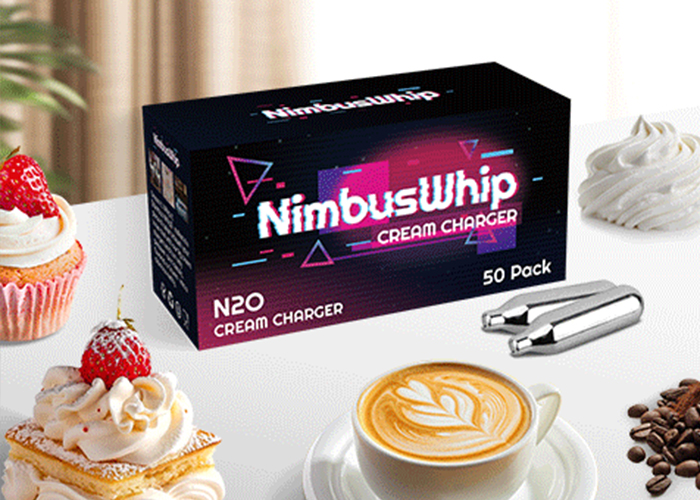
Comparing Nitrous Oxide and Carbon Dioxide
The distinct roles of nitrous oxide and carbon dioxide in food preparation stem from their unique chemical profiles. These two gases are not substitutes because their physical behaviors differ significantly.
Key Gas Properties and Differences
Nitrous oxide is a colorless gas with a slightly sweet taste. In contrast, carbon dioxide has a slightly acidic profile that affects beverage flavor.
Research shows the solubility of N2O in water is only 1/50 that of CO2. This major difference makes nitrous oxide ineffective for standard carbonation.
- Chemical properties dictate their specific applications in the food industry.
- It creates stable foams for whipped cream and mousses.
- Carbon dioxide delivers the fizz in sparkling water and sodas.
- Recognizing these differences ensures correct gas selection for culinary tasks.
Understanding these fundamental contrasts is the first step toward proper equipment use.
Can You Use a Soda Charger Instead of an N2O Charger
Despite their identical appearance, soda chargers and cream chargers fulfill entirely separate roles. This physical similarity often sparks the interchangeability debate.
Understanding the Interchangeability Debate
The core answer remains a firm no. Fundamental gas properties prevent one cartridge type from substituting for the other. Cream chargers contain nitrous oxide, specifically for aerating dairy.
Attempting this swap yields poor results. Soda chargers contain pure carbon dioxide, which is ideal for carbonating beverages. Placing one in a whipping dispenser creates a fizzy liquid instead of stable foam. They cannot properly whip cream.
The confusion is understandable. Both are small, threaded metal cartridges. Their design offers no visual clue about the internal gas.
Employing the wrong gas can strain equipment. Pressure requirements for each system are not compatible. This mismatch may lead to dispenser damage.
Always verify the label on your chargers. Ensure you select the correct product for your device. This practice guarantees safety and perfect whipped cream every time.
Impact on Texture and Flavor in Culinary Applications
Texture and flavor in food creations are profoundly affected by the type of pressurized gas employed. Selecting the correct gas is essential for achieving the desired sensory results in both desserts and drinks.
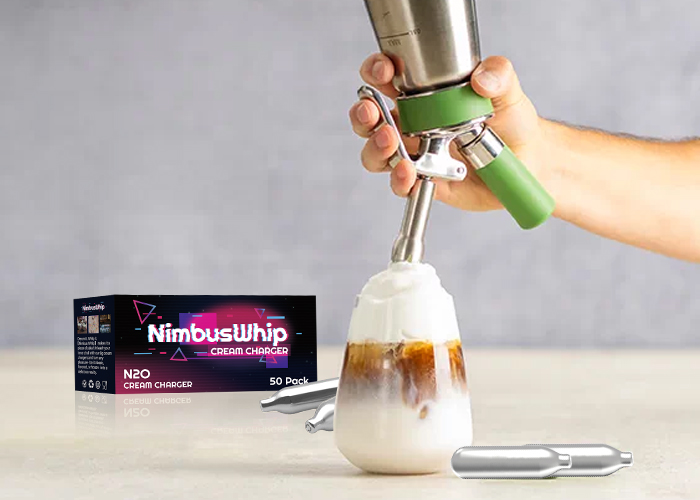
Effect on Whipped Cream Consistency
Nitrous oxide creates a stable, light foam perfect for whipping cream. This gas dissolves evenly, forming millions of tiny bubbles that hold their shape.
In contrast, carbon dioxide causes whipped cream to collapse quickly. The foam structure fails within seconds, resulting in a liquid mess. This ruins the texture needed for plating.
The acidic profile of CO2 also alters flavor. It can impart a sour taste, making the cream unappealing for desserts.
Influence on Beverage Carbonation
Proper carbonation in beverages relies solely on carbon dioxide. CO2 provides the sharp, refreshing fizz consumers expect.
Nitrous oxide cannot replicate this effect. Its low solubility in water makes it ineffective for creating lasting bubbles. Using N2O in a soda siphon yields a flat drink.
| Gas | Primary Impact on Texture | Flavor Influence | Best for Culinary Application |
|---|---|---|---|
| Nitrous Oxide (N2O) | Creates stable, airy foams | Neutral, no taste alteration | Whipped cream, mousses |
| Carbon Dioxide (CO2) | Provides effervescent bubbles | Slightly acidic, adds tang | Sparkling water, sodas |
| Mixed Use | Poor, collapsing structure | Off-flavors likely | Not recommended |
For high-quality culinary applications, using the designated gas guarantees success. Each gas has a unique role that directly shapes the final product’s texture and flavor.
Potential Safety Concerns When Mixing Chargers
Pressurized gas systems demand respect for their design parameters to prevent hazardous outcomes. Substituting one type of cartridge for another introduces serious risks.
Risks from Incorrect Gas Usage
Mixing chargers poses a direct threat to equipment integrity. The pressure systems in a cream whipper are engineered for nitrous oxide.
They cannot safely handle the different properties of carbon dioxide. This mismatch can cause dangerous over-pressurization.
Such pressure may cause seals to fail or, in extreme cases, lead to an explosion. Following the manufacturer’s safety guidelines is non-negotiable.
Always ensure your cream chargers are used only in compatible dispensers. Regular equipment inspection is a critical preventive practice.
This routine helps identify wear before an accident occurs. Adhering to these protocols protects both your tools and your staff.
| Safety Risk Factor | Potential Consequence | Preventive Action | Primary Goal |
|---|---|---|---|
| Using wrong gas type | Over-pressurization & equipment strain | Verify cartridge label before use | Prevent mechanical failure |
| Ignoring manufacturer specs | Catastrophic dispenser damage | Follow all provided safety instructions | Ensure operational integrity |
| Lack of routine inspection | Unnoticed seal degradation | Check dispenser before each use | Mitigate accident risk |
| Improper cartridge storage | Corrosion or valve damage | Store chargers in cool, dry place | Maintain product reliability |
Technical Comparison of Pressure Requirements
Operating pressure is the critical engineering metric separating cream whippers from soda siphons. Each device is engineered for a specific pressure range to perform its task safely and effectively.
Ignoring these specifications risks equipment damage. Understanding them is essential for maintaining your tools.
Cream Whipper Pressure Standards
Professional cream whippers require a working pressure of 200-250 PSI. This high force is necessary to dissolve the gas into the cream.
It creates the millions of tiny bubbles that form a stable foam. The device’s structure is built from robust materials to contain this significant force reliably.
Soda Siphon Pressure Considerations
In contrast, household carbon dioxide (CO2) soda siphons operate at only 30-50 PSI. This lower range allows the gas to dissolve evenly into water for perfect carbonation.
Forcing a high-pressure cream charger into a low-pressure siphon is dangerous. It can exceed the equipment’s capacity limit, leading to potential mechanical failure.
Respecting these design parameters ensures both safety and the longevity of your kitchen investment.
Product Quality and Sourcing from NimbusWhip
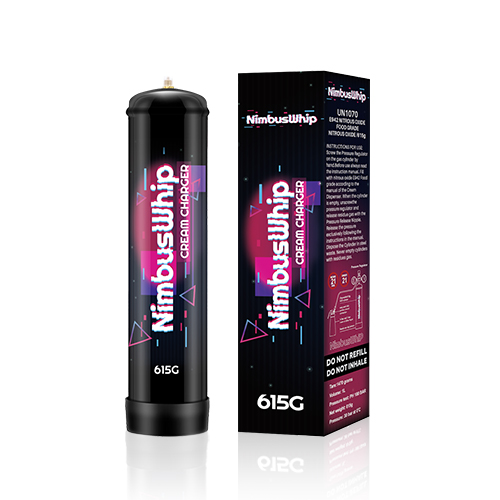
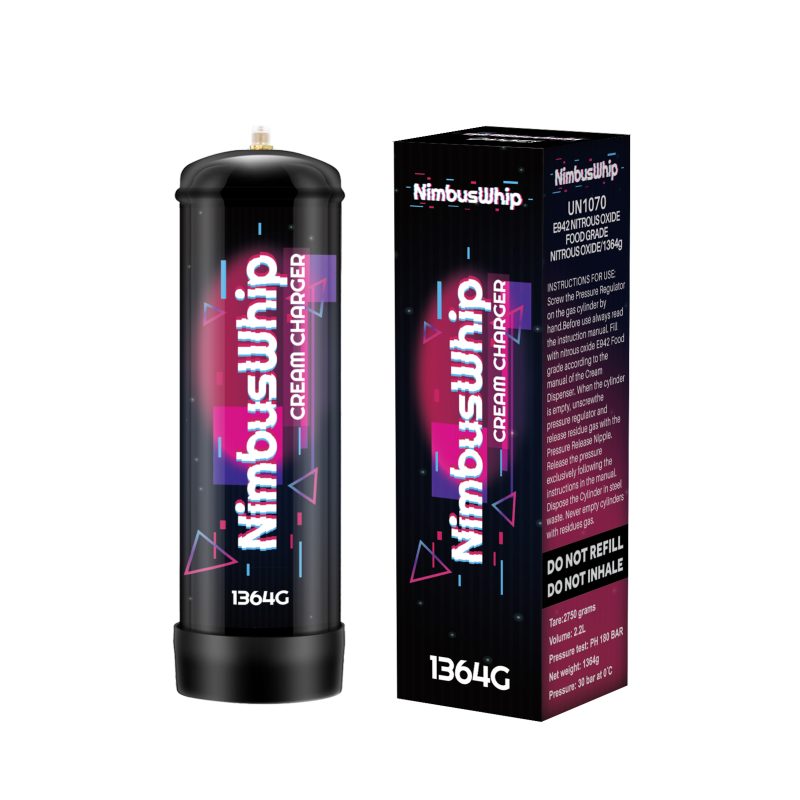
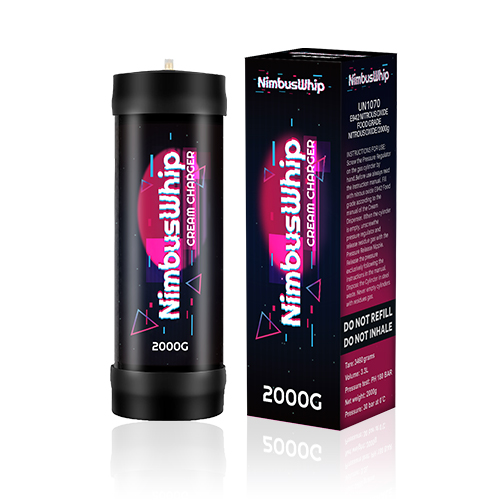
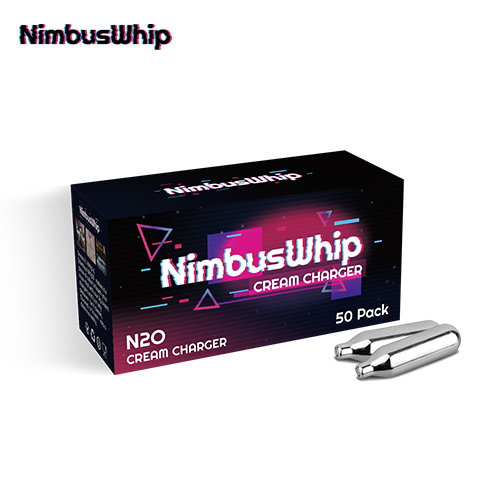
NimbusWhip stands out as a premier source for food-grade nitrous oxide solutions. Their cream chargers are engineered for reliability in professional kitchens.
Sourcing from a reputable provider ensures consistent results. It also guarantees that all safety standards are met.
NimbusWhip Wholesale Options
Businesses benefit from bulk purchasing through their wholesale program. This option provides cost-effective access to premium whip cream chargers.
Reliable N2O supply is essential for high-volume dessert production. The wholesale portal offers streamlined ordering for restaurants and caterers.
| Product Model | Capacity & Weight | Primary Use | Source Link |
|---|---|---|---|
| 1L N2O Cream Charger | 1L / 615g | Standard whipped cream dispensing | Product Page |
| 2.2L N2O Cream Charger | 2.2L / 1364g | High-volume dessert preparation | Product Page |
| 3.3L Food Grade N2O Charger | 3.3L / 2kg | Commercial kitchen operations | Product Page |
These chargers are constructed from high-grade metal. This ensures durability and safe operation under pressure.
Choosing the right whip cream chargers supports culinary excellence. Visit NimbusWhip for details on their wholesale offerings.
Insights from Industry Experts and Manufacturers
Expert buyers and manufacturers emphasize rigorous quality control in the production of nitrous oxide cylinders. Their perspectives ensure safe and effective culinary tools.
Mark Thompson, a professional buyer, highlights a critical step. He states that quality inspection and certifications are paramount when sourcing N2O gas cylinders for any business.
Factory Production Perspectives
Modern factories utilize advanced production lines. These systems guarantee every batch of cream chargers meets strict international standards.
Consistent gas purity is the non-negotiable foundation. It directly determines the texture and stability of whipped cream and other culinary foams.
Industry experts universally stress one key knowledge point. Understanding the distinction between nitrous oxide and carbon dioxide is essential for all culinary professionals.
Sourcing from reputable manufacturers provides reliable chargers. This practice enhances overall kitchen output, safety, and recipe success.
Practical Implications When Modifications Fail
Real-world examples highlight the dangers of do-it-yourself alterations to pressurized gas systems. Many home cooks experiment with adapting equipment, unaware of the severe consequences. This trend ignores fundamental engineering principles.
Case Studies on DIY Modifications
Documented incidents show that attempting to adapt soda chargers for whipping cream often causes sealing ring failure. This critical component cannot withstand the incorrect gas pressure.
Such modifications void the original factory warranty. Users are left without support if the device malfunctions, incurring full replacement costs.
Even seemingly successful hacks pose risks. The unstable pressure system may lead to an explosion, endangering everyone nearby.
The final product disappoints. Foam made with modified soda chargers typically collapses within two to three minutes. The desired light and fluffy texture for whip cream becomes impossible.
These practical implications serve as a stark warning. Professional equipment should never be altered for purposes outside its intended design. Always use the appropriate cartridges for your specific kitchen tool.
Guidelines for Proper Equipment Use and Maintenance
Proper care of pressurized dispensers extends their lifespan and ensures consistent results. Adherence to specific maintenance protocols is essential for both cream whippers and soda siphons. These routines prevent failures and uphold kitchen safety standards.
Cleaning Routines and Safety Practices
A cream whipper requires a thorough deep clean each month. This process removes accumulated grease and ensures the nozzle dispenses cream smoothly. Residual liquid can clog the mechanism, affecting foam quality.
For soda siphons, the focus shifts to seal integrity. Replace the rubber seals every quarter. This practice maintains pressure for perfect carbonation and prevents gas leaks.
Core operational guidelines include:
- Always load the correct gas chargers. Using wrong cartridges strains internal components of both cream and soda equipment.
- Never overfill the device with cream or base liquid. Excess volume creates dangerous pressure during use.
- Inspect cream chargers and dispenser threads for damage before each session.
Following these routines protects your investment. It guarantees reliable performance for every culinary task you undertake.
Summarizing Key Differences for Informed Choices
Selecting the correct pressurized cartridge is a fundamental decision for any culinary professional. Understanding the core difference between cream chargers and soda chargers prevents errors. This knowledge supports informed choices for all food preparation tasks.
Each gas type serves a unique purpose. Nitrous oxide creates stable foams for desserts like whipping cream and mousses. Carbon dioxide carbonates drinks and infusions.
Choosing the Right Charger for Your Needs
Match the charger to your intended culinary creation. A cream whipper requires specific cartridges for aerating liquid dairy. A soda siphon needs dedicated soda chargers for beverage fizz.
This selection ensures optimal flavor and texture. Using the wrong gas ruins the foam structure in desserts.
| Equipment Type | Required Gas | Primary Culinary Use | Key Outcome |
|---|---|---|---|
| Cream Whipper | Nitrous Oxide (N2O) | Whipped cream, mousses, savory foams | Light, stable foam |
| Soda Siphon | Carbon Dioxide (CO2) | Sparkling water, sodas, infused drinks | Effervescent carbonation |
| Mixed/Incorrect Use | Any mismatched gas | Not recommended | Poor texture, potential safety issue |
Monitoring Equipment Performance
Regular checks maintain your tools. Inspect seals on your cream charger and soda siphons monthly. Replace worn parts immediately to ensure consistent gas flow.
Organize supplies separately. Store cream and soda chargers in labeled bins. This practice prevents accidental mixing during busy service.
Monitoring catches small issues before they affect your creations. It is a simple step for long-term kitchen efficiency.
Conclusion
Optimal results in the kitchen are achieved by respecting the design of specialized equipment. This guide clarifies the distinct roles of a cream charger and a soda charger. Each tool employs a specific gas—nitrous oxide for whipped cream and carbon dioxide for carbonated drinks.
Using the correct cartridges is essential for professional outcomes. It guarantees the perfect foam for desserts like mousses and the right flavor for sparkling infusions. Proper maintenance of your cream whipper and soda siphons ensures safety and longevity.
Sourcing high-quality gases from reliable suppliers supports all culinary endeavors. Informed decisions about these tools lead to consistent success in every creation.
