
![detailingshop-header-pic1[1]](https://nimbuswhip.com/wp-content/uploads/2026/02/detailingshop-header-pic11.svg#627)
![detailingshop-header-pic2[1]](https://nimbuswhip.com/wp-content/uploads/2026/02/detailingshop-header-pic21.svg#628)
![detailingshop-header-pic3[1]](https://nimbuswhip.com/wp-content/uploads/2026/02/detailingshop-header-pic31-1.svg#813)

Welcome to NimbusWhip’s comprehensive guide to recycling awareness. Many people actively participate in recycling programs with the best intentions for our planet. However, good intentions don’t always lead to effective environmental action.
Research reveals that approximately 90% of citizens regularly recycle, yet over half miss opportunities to recycle common materials correctly. More concerning, almost nine in ten people recycle incorrectly by placing non-accepted items in recycling bins.
This common practice, known as “wishcycling,” occurs when well-meaning individuals place questionable materials in recycling bins hoping they can be processed. Unfortunately, this often causes more harm than good by contaminating the entire recycling stream.
Understanding which everyday objects cannot be processed through standard recycling systems is essential for effective waste management. Many common household products that people assume are recyclable actually end up in landfills despite being placed in recycling bins.
This educational resource will reveal unexpected non-recyclable materials across multiple categories. We’ll explore plastics, paper products, and composite materials that frequently confuse consumers. Our professional approach aims to empower readers with accurate information for better environmental decisions.

Key Takeaways
- Most people recycle regularly but many make mistakes with common items
- “Wishcycling” contaminates recycling streams and wastes resources
- Many everyday materials cannot be processed through standard recycling
- Proper identification of non-recyclables improves waste management
- This guide covers surprising non-recyclables across multiple categories
- Accurate knowledge leads to more effective environmental protection
- Understanding recycling rules supports sustainability goals
Overview of Recycling and Unexpected Non-Recyclable Materials
Current recycling statistics reveal a troubling gap between intention and actual results. The global average recycling rate stands at just 19%, indicating significant room for improvement despite widespread environmental awareness.
Contamination presents a major challenge for recycling systems worldwide. In the United States, the average contamination rate reaches 25%—meaning one in every four items placed in recycling bins shouldn’t be there.
Recycling Rates and Global Impact
Proper recycling plays a crucial role in achieving Net Zero emissions by 2050. It reduces virgin material consumption and keeps resources in circulation longer. However, contamination undermines these environmental benefits.
Contamination Issues in Recycling
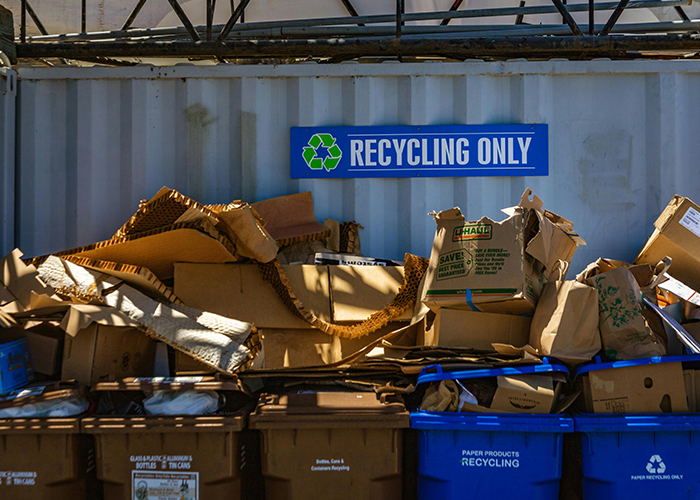
When non-recyclable materials enter the recycling stream, they can render entire batches unusable. This “wishcycling” phenomenon occurs when people place questionable items in bins with hopeful intentions.
Research shows recyclable items in wrong bins account for 6.5% of contaminated waste. Non-recyclable materials make up 10.4% of contaminants. Together they create significant processing challenges for facilities.
Understanding which everyday materials cannot be processed through standard systems is the first step toward reducing contamination. This knowledge improves overall recycling effectiveness and supports sustainability goals.
Defining “What is surprisingly not recyclable?”
Many household objects that seem destined for the blue bin actually create processing nightmares for recycling facilities. These are items that appear recyclable based on their material but fail to meet specific technical criteria.
Size is a critical factor. Objects that are too small, like plastic straws, can jam machinery. Items that are too large exceed the capacity of sorting equipment. Both fall outside acceptable parameters.
Composite materials present another major hurdle. Combinations like plastic with metal or paper with wax coatings are difficult or impossible to separate economically. This makes the recycling process unfeasible.
“Contamination from food residue or grease can ruin an entire batch of otherwise recyclable materials, turning a potential resource into waste.”
Special coatings applied for durability or waterproofing also alter a material’s fundamental properties. Despite a recyclable base, these treatments often render the final product non-recyclable.
Local infrastructure plays a decisive role. An item accepted in one community’s program may be rejected in another due to differences in facility equipment and capabilities.
Understanding these criteria empowers consumers to make informed disposal decisions. This knowledge is the first step toward reducing contamination and improving the effectiveness of our recycling systems.
The Impact of Non-Recyclable Items on the Environment
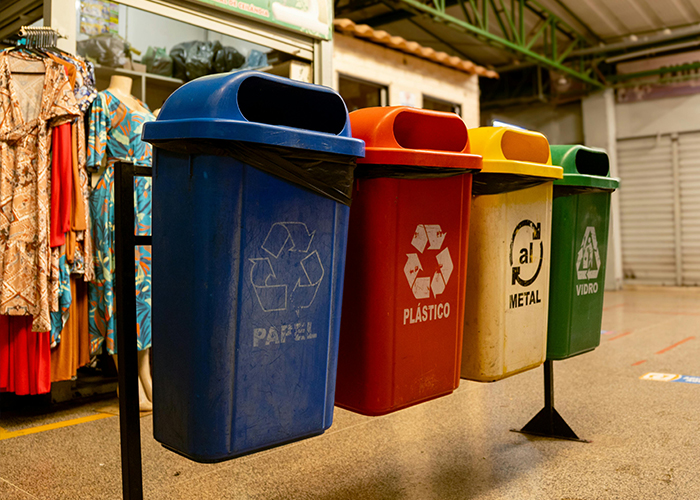
When non-recyclable materials enter our waste streams, they trigger a cascade of negative environmental effects. These consequences extend beyond simple disposal issues to create systemic challenges for ecosystems and waste management infrastructure.
Effects on Landfill
Contaminated recycling batches force entire loads of valuable materials into landfills. This multiplies the environmental impact exponentially. Landfill space represents a finite resource that becomes strained when improperly sorted items occupy it unnecessarily.
Non-biodegradable materials like Styrofoam persist indefinitely in these facilities. They create long-term burdens for future generations while occupying space that could accommodate genuine waste.
Effects on Wildlife
Lightweight plastics travel through wind and water to reach natural habitats far from disposal points. Animals frequently suffer entanglement or ingestion injuries from these materials. Small plastic items break down into microplastics that contaminate soil and water systems.
These particles enter food chains, ultimately affecting human health through consumption. The persistence of these materials in ecosystems creates ongoing threats to biodiversity.
Proper identification and disposal of non-recyclable items protects both environmental health and recycling program viability. Individual knowledge and action remain critically important for sustainable waste management.
Examples of Unexpected Non-Recyclable Plastics
Among the most confusing materials for recycling programs are common plastic products used every day. Many consumers assume these items belong in blue bins, but they actually create significant processing challenges.
Plastic Straws and Utensils
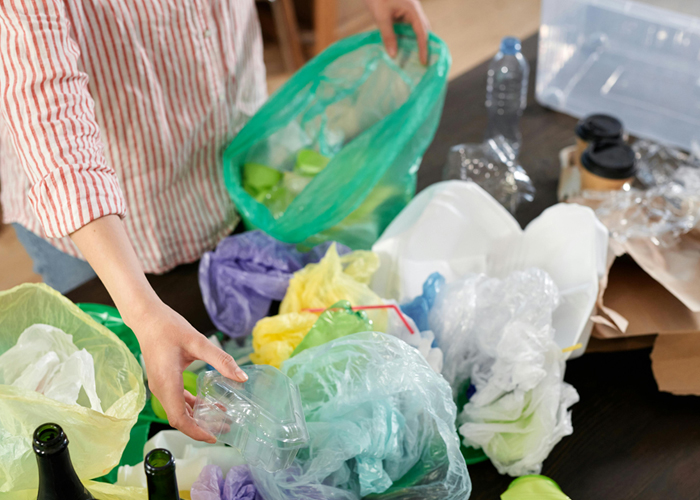
Plastic straws present a major recycling obstacle despite their simple appearance. Their small size causes them to fall through sorting equipment at facilities. These straws are usually made from plastics numbered 5 and 6, which are difficult to process economically.
Disposable utensils including forks, spoons, and knives face similar issues. Their mixed plastic composition and lightweight design make them incompatible with standard recycling machinery. When improperly discarded, these items pose serious risks to wildlife through entanglement and ingestion.
Proper disposal requires placing these plastics in trash bins rather than recycling containers. Consider reusable alternatives like metal straws and proper cutlery to reduce environmental impact.
Plastic Bags and Wrappers
Plastic bags from grocery and shopping trips cannot go in curbside recycling. Their flexible nature causes tangling in sorting equipment, disrupting entire processing lines. Most shopping bags are usually made from polyethylene materials.
While technically recyclable, these plastics require specialized handling available only at designated drop-off locations. Many grocery stores and retail locations provide bins for proper bag recycling. Consumers should bundle multiple bags together to prevent machinery clogs.
Additional problematic items include plastic wrappers, bubble wrap, and packaging films. These materials share the same tangling issues as plastic bags. Always use store drop-off programs rather than home recycling bins for these stretchy plastics.
Paper Products and the Recycling Dilemma
Paper products present one of the most misunderstood categories in residential recycling programs. Many consumers assume all paper-based materials belong in blue bins, but various factors determine their actual recyclability.
Coatings and treatments significantly impact whether paper can undergo successful processing. Waxed paper contains a coating that contaminates entire batches during pulping. Specialty papers with metallic finishes, glitter, or velvet textures also fail standard recycling due to non-paper elements.
Common household items like paper towels, tissues, and napkins face recycling limitations. These products typically contain short fibers from previous recycling cycles. Their fibers cannot produce quality pulp when processed again.
Contamination from use renders many paper products unsuitable for recycling. Paper towels and napkins absorb oils, food residues, and cleaning products that cannot be removed. This contamination affects their recycling potential regardless of fiber quality.
Consumers should examine paper items for coatings and specialty finishes before disposal. Clean, untreated paper and cardboard remain highly valuable resources when properly sorted. Reusing decorative papers for craft projects offers an eco-friendly alternative to disposal.
The Reality Behind Pizza Boxes and Greasy Containers
The familiar cardboard pizza box represents one of recycling’s most persistent challenges. Many people assume these corrugated cardboard containers automatically qualify for recycling programs. This common misconception leads to significant contamination issues at processing facilities.
Grease absorption creates the fundamental problem with pizza box recycling. During the pulping process, oils and fats cannot be separated from paper fibers. This contamination ruins entire batches of otherwise recyclable material.
Grease Contamination Issues
Beyond simple grease stains, pizza boxes contain multiple contaminants. Solidified cheese, sauce residues, and food crumbs create additional processing challenges. These food particles further compromise the recycling potential of cardboard materials.
The same principles apply to all greasy cardboard containers from takeout meals. Fried food packages, pastry boxes, and other oily containers face identical recycling limitations. Grease contamination remains one of the most preventable sources of recycling stream pollution.
Proper Disposal Tips
Consumers can adopt simple strategies for proper disposal. Inspect each pizza box carefully before recycling decisions. Tear off clean top portions that remain free from grease and food contamination.
Dispose of grease-soaked bottom sections in trash or compost bins. This separation practice significantly improves recycling effectiveness. It also reduces processing burdens at recycling facilities.
| Container Type | Recyclable Condition | Proper Disposal Method |
|---|---|---|
| Pizza Box Top | Clean, no grease stains | Recycling bin |
| Pizza Box Bottom | Grease contamination present | Trash or compost |
| Other Greasy Boxes | Any oil absorption | Trash disposal |
| Clean Cardboard | No food residue | Standard recycling |
Request compostable containers when ordering takeout food. This proactive approach prevents contamination issues altogether. Proper disposal knowledge empowers consumers to make environmentally responsible choices.
Issues with Disposable Coffee Cups and Takeaway Containers
Disposable coffee cups present one of recycling’s most deceptive challenges for consumers. These everyday items appear to be simple cardboard but contain complex composite construction.
Most disposable coffee cups feature a polyethylene plastic coating bonded to cardboard. This lining provides waterproofing and structural integrity for hot beverages.
Separating the plastic liner from cardboard requires specialized equipment that most facilities lack. This composite design makes standard recycling impractical despite technically recyclable components.
“Compostable coffee cups require specific industrial composting conditions unavailable in most communities.”
The cardboard sleeve and plastic lids often remain recyclable in many areas. However, the cup itself typically belongs in trash bins rather than recycling streams.
Similar issues affect soup cups, ice cream containers, and frozen beverage cups. These containers use identical plastic-lined paper construction.
Environmentally conscious consumers should invest in reusable travel mugs. Requesting ceramic mugs for in-store consumption eliminates this waste stream entirely.
Some progressive cities implement latte levies on single-use cups to encourage reusable alternatives. This approach reduces contamination and supports sustainable practices.
Missteps in Recycling Everyday Items
Many consumers mistakenly place everyday household items in recycling bins with good intentions but problematic results. These common disposal errors create significant contamination issues that undermine recycling efficiency.
Receipt and Thermal Paper Challenges
Most shopping receipts contain a chemical coating that makes them incompatible with standard recycling. Thermal paper uses BPA chemicals for heat-activated printing, which contaminates entire batches during processing.
This specialized coating resists decomposition, making receipts unsuitable for composting as well. Consumers should decline paper receipts or request digital alternatives to prevent this contamination source.
Contaminated Wipes and Paper Towels
Paper towels, napkins, and tissues absorb food residues and liquids during use. Their fibers are too short for quality recycling after previous processing cycles. These paper products belong in trash rather than recycling streams.
Wet wipes present additional challenges with synthetic fibers that don’t break down. Contaminated with oils and residues, they damage processing equipment and compromise recycling quality.
| Problematic Item | Primary Issue | Proper Disposal |
|---|---|---|
| Thermal Paper Receipts | BPA coating contamination | Trash only |
| Used Paper Towels | Food/grease contamination | Trash or compost |
| Plastic Utensils | Sorting equipment jams | Specialized recycling |
| Wet Wipes | Synthetic fiber issues | Landfill disposal |
Plastic utensils also frequently end up in the wrong bin. Their small size and mixed materials cause sorting problems. Reusable alternatives eliminate these disposal challenges entirely.
Unexpected Challenges with Metal and Glass Recyclables
Metal and glass items often appear straightforward for recycling but conceal complex processing challenges. Many consumers assume these durable materials automatically qualify for standard programs, yet several factors complicate their recyclability.
Common household containers present one significant hurdle. Plastic bottles are typically made from PET plastic, while their lid components use polypropylene. This material mix creates separation difficulties during processing.
Handling Mixed Materials
Recycling facilities face challenges with various metal items that seem recyclable. Pots, pans, and baking sheets contain recyclable materials but exceed size limits for curbside programs. Their thickness requires specialized scrap metal processing facilities.
Glass products like mirrors and drinking glasses differ from standard container glass. They undergo chemical treatments for durability, altering their melting points. This variation contaminates entire batches during recycling.
Safety concerns also impact recyclability. Broken glass and sharp metal objects endanger facility workers. Proper disposal involves protective wrapping and trash placement rather than recycling bins.
Consumers should research local guidelines for bottles with attached lid components. Some facilities accept the complete bottle, while others require separation. Understanding these distinctions prevents contamination.
NimbusWhip Product Range and Sustainability
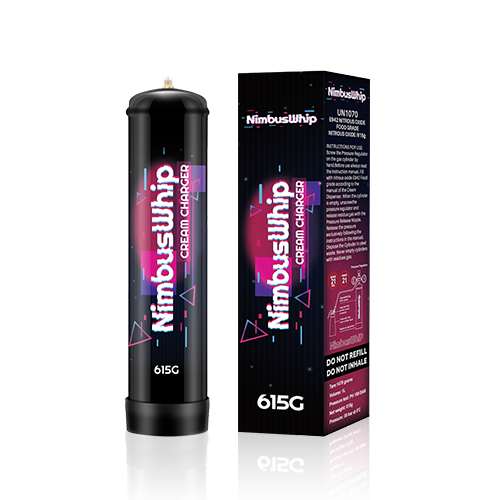
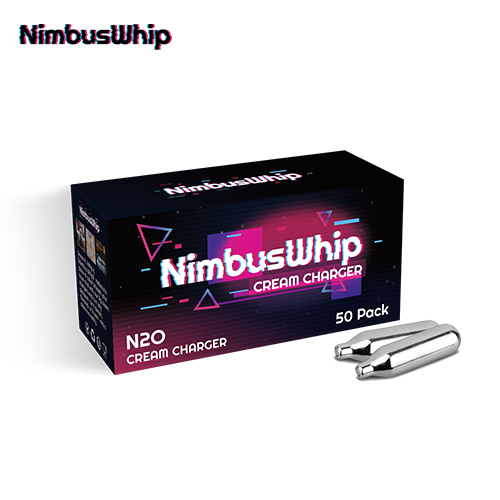
The intersection of quality products and environmental responsibility represents modern manufacturing excellence. NimbusWhip demonstrates this commitment through their comprehensive line of N2O cream chargers designed for both performance and sustainability.
1L 615G N2O Cream Charger
This compact product offers reliable performance for culinary professionals and home users. The efficient design ensures consistent results while minimizing waste.
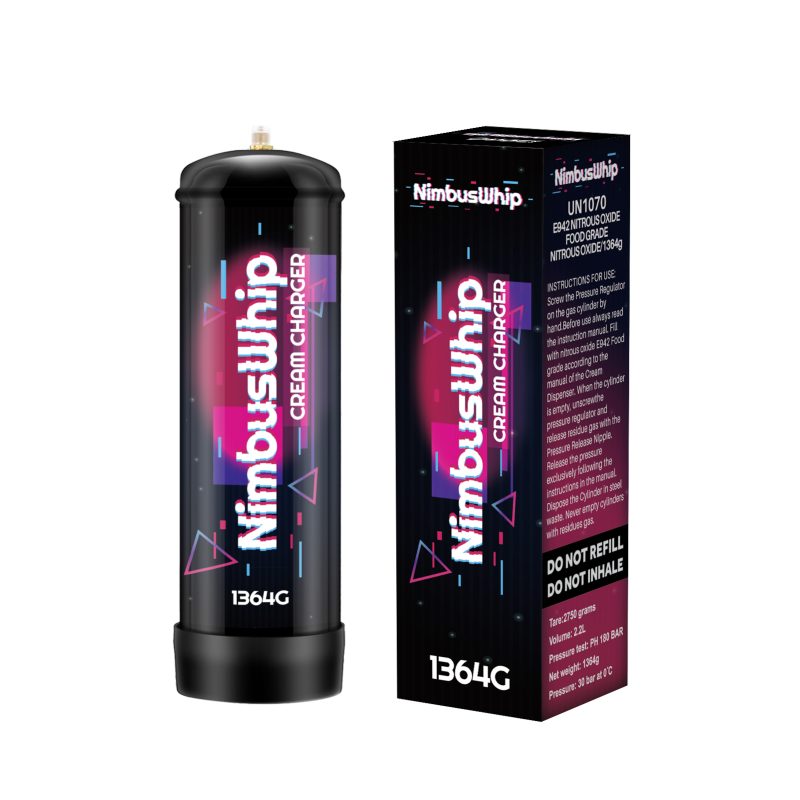
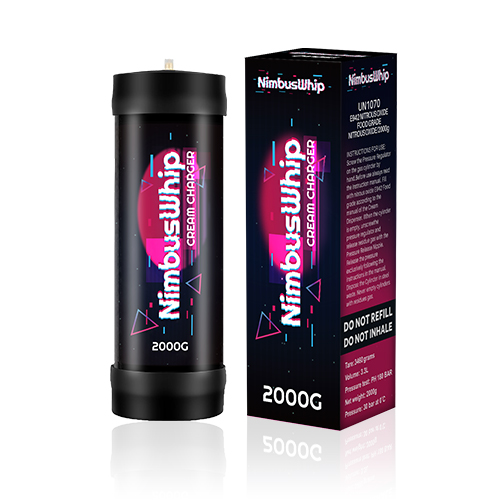
2.2L 1364g and 3.3L 2kg Options
For higher-volume needs, NimbusWhip provides extended-capacity solutions. The 2.2L model serves busy kitchens, while the 3.3L option supports commercial operations requiring maximum efficiency.
| Product Model | Capacity | Primary Use | Sustainability Feature |
|---|---|---|---|
| 1L Cream Charger | 615g | Home & Professional | Minimal packaging waste |
| 2.2L Charger | 1364g | Commercial Kitchens | Reduced transport frequency |
| 3.3L Food-Grade | 2kg | High-Volume Operations | Bulk packaging efficiency |
All NimbusWhip products utilize food-grade materials meeting strict safety standards. The company provides clear disposal guidance for their packaging materials.
Businesses can access competitive pricing through NimbusWhip’s wholesale program. This supports consistent supply while maintaining environmental standards.
Visit the main website for complete product details and sustainability initiatives. Responsible manufacturers recognize the importance of proper disposal practices.
The Role of Recycling Contamination Solutions
Modern recycling facilities are turning to artificial intelligence to combat the persistent problem of contamination in waste streams. Effective contamination management requires both technological innovation at processing plants and responsible sorting by individuals before collection.
Artificial intelligence systems now identify problematic items before they ruin entire material batches. AMCS Vision AI represents a breakthrough technology using cameras and machine learning to spot contamination in real-time.
This advanced detection process enables immediate intervention at recycling facilities. The system can trace contamination sources back to specific collection routes or communities.
Improved contamination management protects equipment and increases the percentage of successfully recycled materials. These technological solutions complement consumer education efforts by providing valuable data.
While technology enhances facility operations, proper sorting by individuals remains the most effective contamination solution. Responsible disposal practices before collection ensure cleaner recycling streams and better environmental outcomes.
Innovative Approaches to Modern Recycling
Technological innovation is revolutionizing how recycling facilities handle complex material streams. Advanced systems now automate separation tasks that previously required manual labor.
Advances in Sorting Technology
Modern recycling plants increasingly rely on sophisticated equipment to improve efficiency. Optical scanners use infrared sensors to identify different plastic types automatically.
These systems work alongside magnets and air classification units. Together they separate materials faster than manual processes.
Current technology faces limitations with black plastic packaging. Dark colors absorb infrared light, making detection impossible for optical systems.
Robotics and artificial intelligence enhance sorting accuracy significantly. AI systems learn to identify contaminants that previously required human intervention.
This advanced equipment reduces worker burden while increasing processing throughput. The result is purer material batches for manufacturing.
Reducing Wishcycling
Educational initiatives combat wishcycling by clarifying proper disposal guidelines. Clear communication reduces the temptation to place questionable items in bins.
Improved equipment design addresses common contamination sources. Better capture systems handle small items and problematic materials like plastic bags.
The most effective recycling process combines better equipment with educated consumers. Technology advances complement responsible sorting practices for optimal results.
Local Recycling Programs and Consumer Guidelines
Understanding your community’s specific recycling requirements represents the foundation of effective waste management. Programs vary significantly between regions due to different processing capabilities and municipal contracts.
Always consult your local recycling provider for accurate guidelines. Municipal websites offer current information about accepted materials.
Sorting at Home for Efficient Recycling
Proper home sorting begins with reading product packaging labels. Many containers now include recycling symbols and disposal instructions.
Rinse food containers thoroughly before placing them in your recycling bin. Clean materials prevent contamination during collection and processing.
Some items require special handling rather than curbside pickup. Plastic bags often need drop-off at grocery stores instead of home collection.
| Material Type | Home Sorting Method | Disposal Location |
|---|---|---|
| Plastic Bottles | Rinse, remove lids | Curbside Bin |
| Plastic Bags | Bundle together | Store Drop-off |
| Glass Containers | Rinse, keep whole | Recycling Bin |
| Batteries | Keep separate | Specialized Center |
Avoid using black plastic bags for recyclables. Collection crews may mistake them for trash, sending everything to landfill.
Use clear bags or official containers provided by your local program. Proper sorting protects equipment and ensures materials get recycled.
Best Practices for Pre-Cycling and Waste Reduction
Proper waste preparation at home significantly enhances the effectiveness of community recycling programs. Pre-cycling involves carefully sorting and cleaning items before they enter the collection stream.
This proactive approach ensures only appropriate materials reach processing facilities. Clean, well-sorted recycling maximizes resource recovery and minimizes contamination.
Tips to Avoid Contamination
Rinsing containers to remove food residue represents a crucial pre-cycling step. Contaminated items can ruin entire batches of otherwise recyclable materials.
A quick rinse under water suffices for most containers. They don’t need spotless cleaning but should be free of significant food content.
Labels typically remain on bottles during processing. However, plastic films and absorbent pads must be removed. Flattening cardboard boxes saves space in recycling bins and collection trucks.
| Material Type | Preparation Required | Proper Disposal |
|---|---|---|
| Plastic Containers | Rinse, remove film lids | Recycling Bin |
| Metal Cans | Rinse, labels can stay | Recycling Bin |
| Cardboard Boxes | Flatten, remove padding | Recycling Bin |
| Plastic Bag | Bundle together | Store Drop-off |
Create a simple sorting station with clearly labeled bins at home. This makes correct disposal easy for all household members.
When uncertain about an item’s recyclability, apply the “when in doubt, throw it out” principle. Focus on reduction and reuse as primary strategies before recycling.
How Recycling Efforts Contribute to Net Zero Goals
Recycling serves as a critical pathway toward achieving global climate objectives. The Paris Agreement established 2050 as the target year for Net Zero emissions balance. This ambitious goal requires reducing greenhouse gas outputs while increasing removal from the atmosphere.
Manufacturing products from recycled materials consumes significantly less energy than virgin resource processing. This energy reduction directly translates to lower carbon emissions. Keeping valuable resources in circulation extends their useful life dramatically.
Proper recycling prevents contamination that sends recyclables to landfills. There, organic decomposition produces methane, a potent greenhouse gas. Effective material recovery systems minimize this environmental damage.
The full lifecycle impact of products includes extraction, manufacturing, transportation, and disposal. Recycling reduces environmental burdens at multiple stages. Improved recycling rates represent immediate action individuals can take.
| Climate Benefit | Recycling Contribution | Impact Level |
|---|---|---|
| Energy Reduction | Lower manufacturing needs | Significant |
| Emission Avoidance | Less landfill methane | Moderate |
| Resource Conservation | Extended material lifespan | Substantial |
| Packaging Efficiency | Reduced virgin material use | Direct |
While recycling alone cannot solve climate challenges, it forms an essential component of comprehensive strategy. Combined with reduction and reuse approaches, it moves society toward sustainable consumption patterns. Every properly sorted item contributes to this collective effort.
Conclusion
Making informed disposal choices transforms recycling from hopeful guessing to environmental action. Many everyday items like straws, coffee cups, and pizza boxes cannot process through standard systems despite their appearance.
Contamination remains a critical challenge, with US rates reaching 25%. This diverts valuable materials to landfills. Understanding local guidelines and proper home sorting maximizes recycling effectiveness.
Follow the reduce-reuse-recycle hierarchy for optimal waste management. Pre-cycling practices like rinsing containers and removing non-recyclable components make substantial differences.
Companies like NimbusWhip demonstrate environmental responsibility through clear disposal guidance. Visit nimbuswhip.com to explore their sustainable product range and wholesale options.
Every individual’s recycling decisions contribute to environmental protection. Proper sorting supports Net Zero goals for future generations.
